
Fashion in Politics
By Makayla Gill
Fashion has always been political. Beyond aesthetics, what leaders and public figures wear communicates power, resistance, identity, and intent. In modern politics, clothing is no longer incidental. It’s a deliberate tool used to shape narratives and influence public perception.
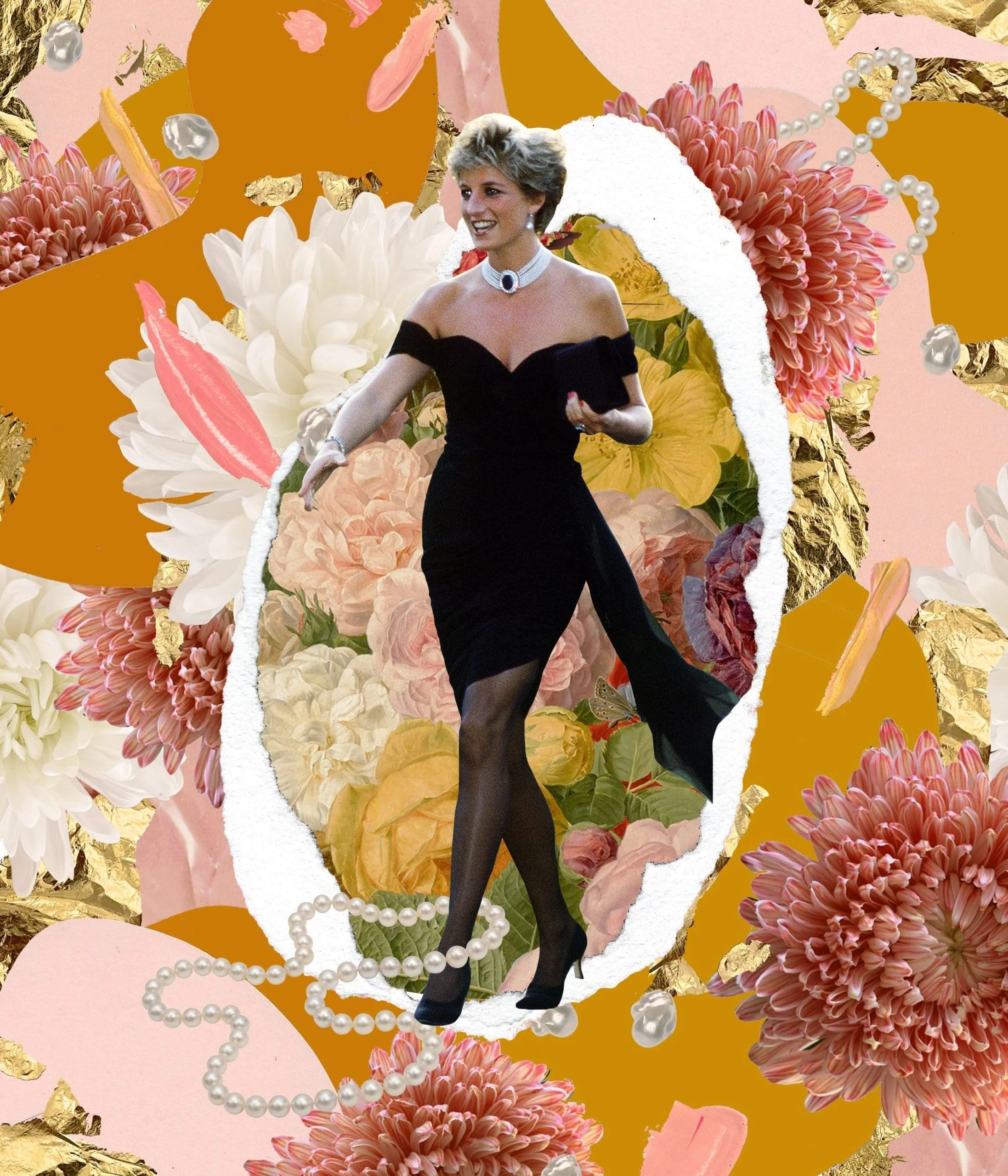
Clothing as a Political Language
Every choice sends a message. Colors, silhouettes, and designers can signal unity, protest, authority, or cultural alignment. Fashion operates as a visual shorthand, allowing politicians to communicate values instantly, often without saying a word.
Power Dressing and Authority
Tailoring has long been associated with control and credibility. Structured suits, monochrome palettes, and sharp silhouettes reinforce authority, particularly for women navigating male-dominated political spaces. Dressing “professionally” has often been used as armor. Both literal and symbolic.
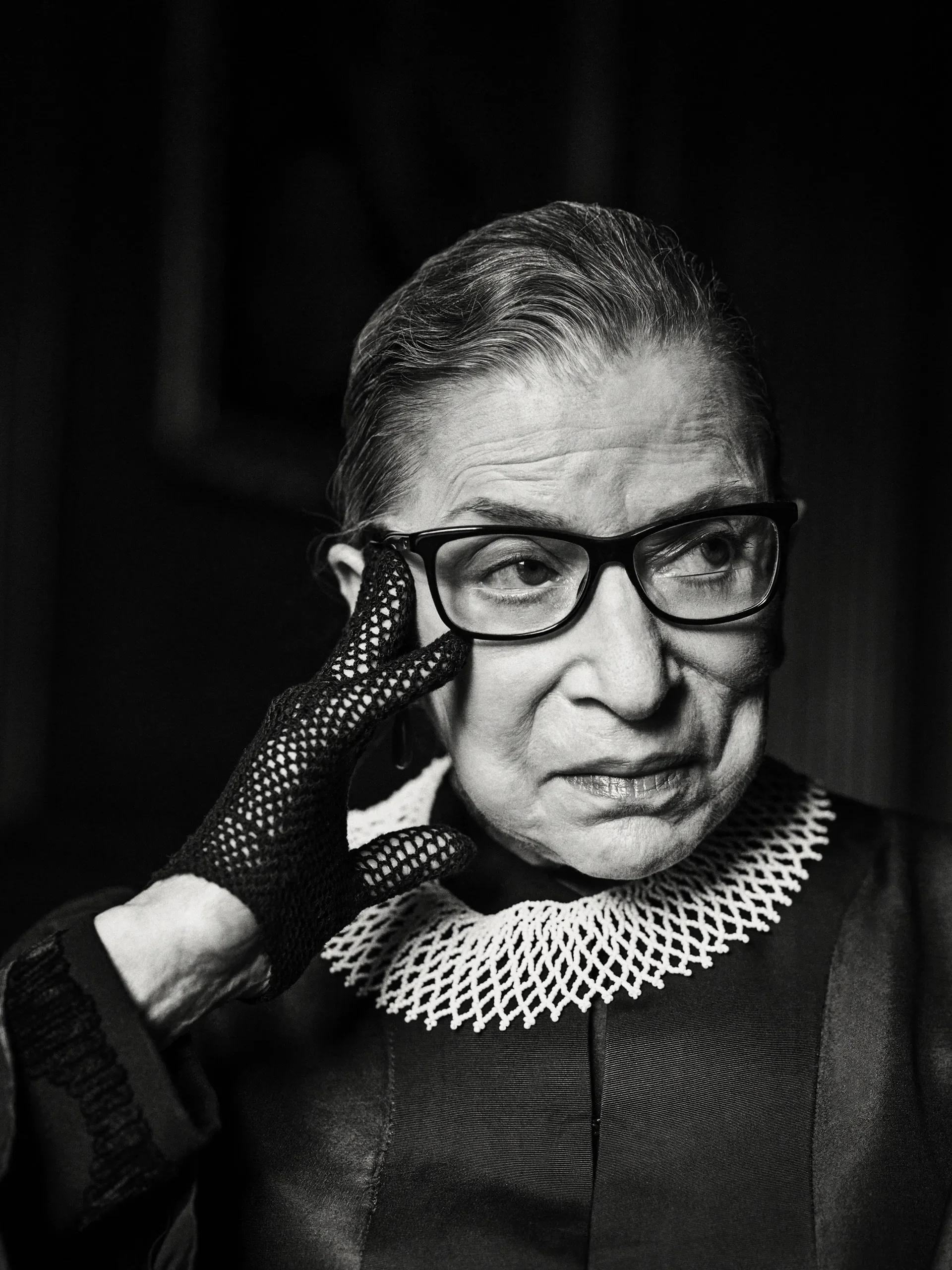
Symbolism on the Global Stage
World leaders frequently use fashion to honor heritage or make diplomatic statements. Wearing local designers, traditional garments, or culturally significant colors can signal respect, alliance, or solidarity during international appearances.
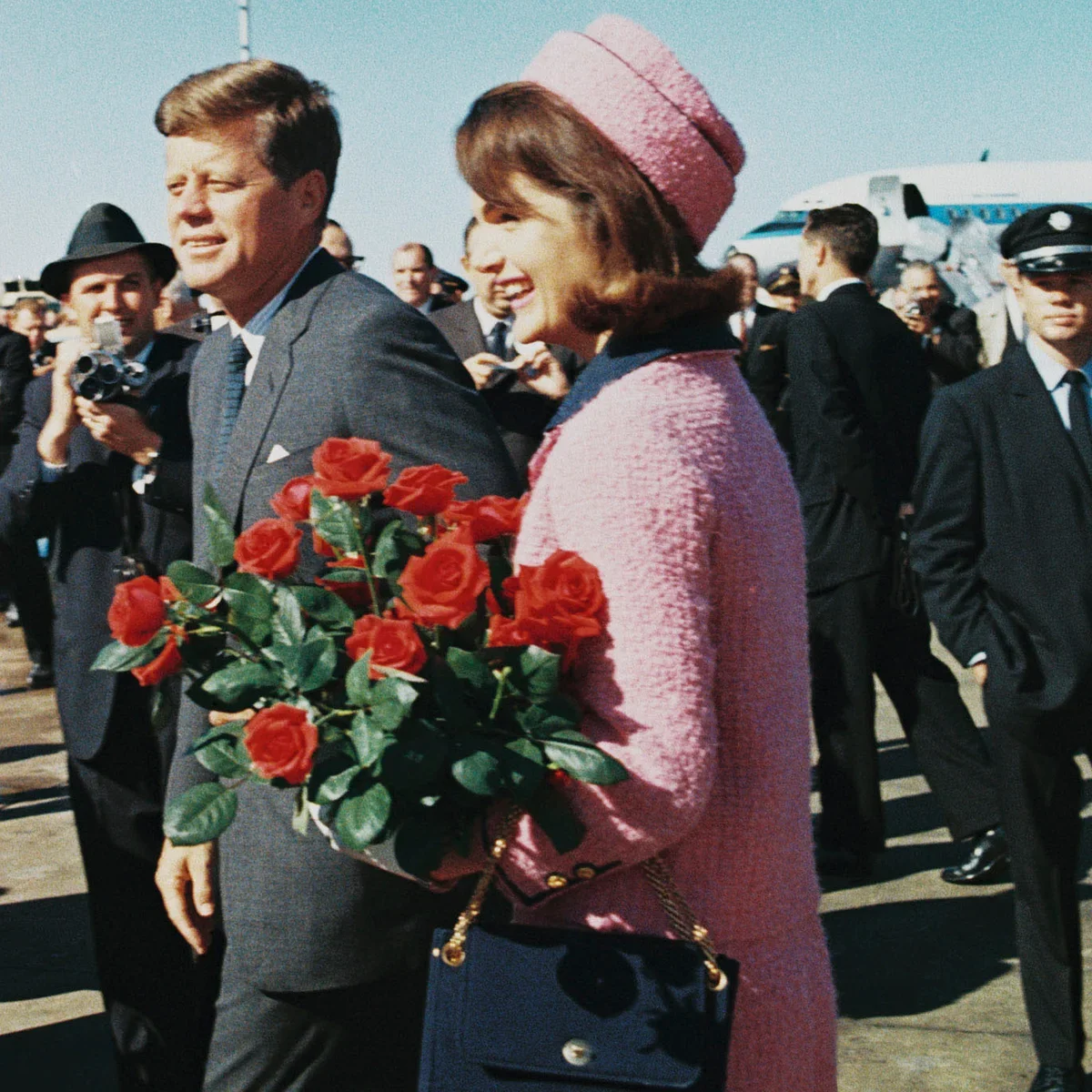
In the digital era, images travel faster than speeches. A single outfit can become a headline, a meme, or a moment of solidarity. Fashion shapes how political figures are remembered and how movements are visually archived.
Fashion in politics is not about vanity. It’s about visibility, power, and storytelling. As culture continues to evolve, clothing will remain one of politics’ most immediate and influential forms of expression.
Fashion’s Lasting Impact on Political Identity
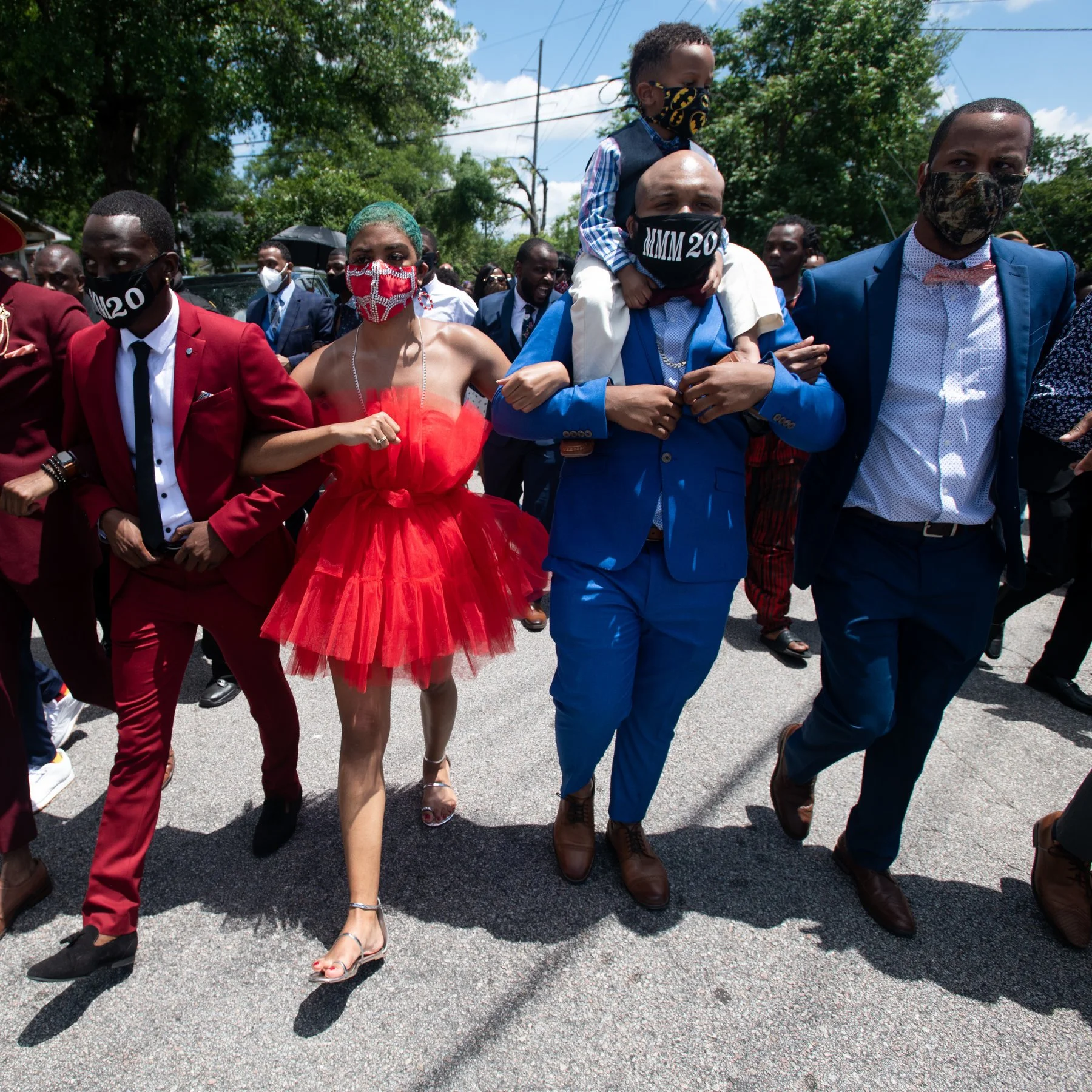
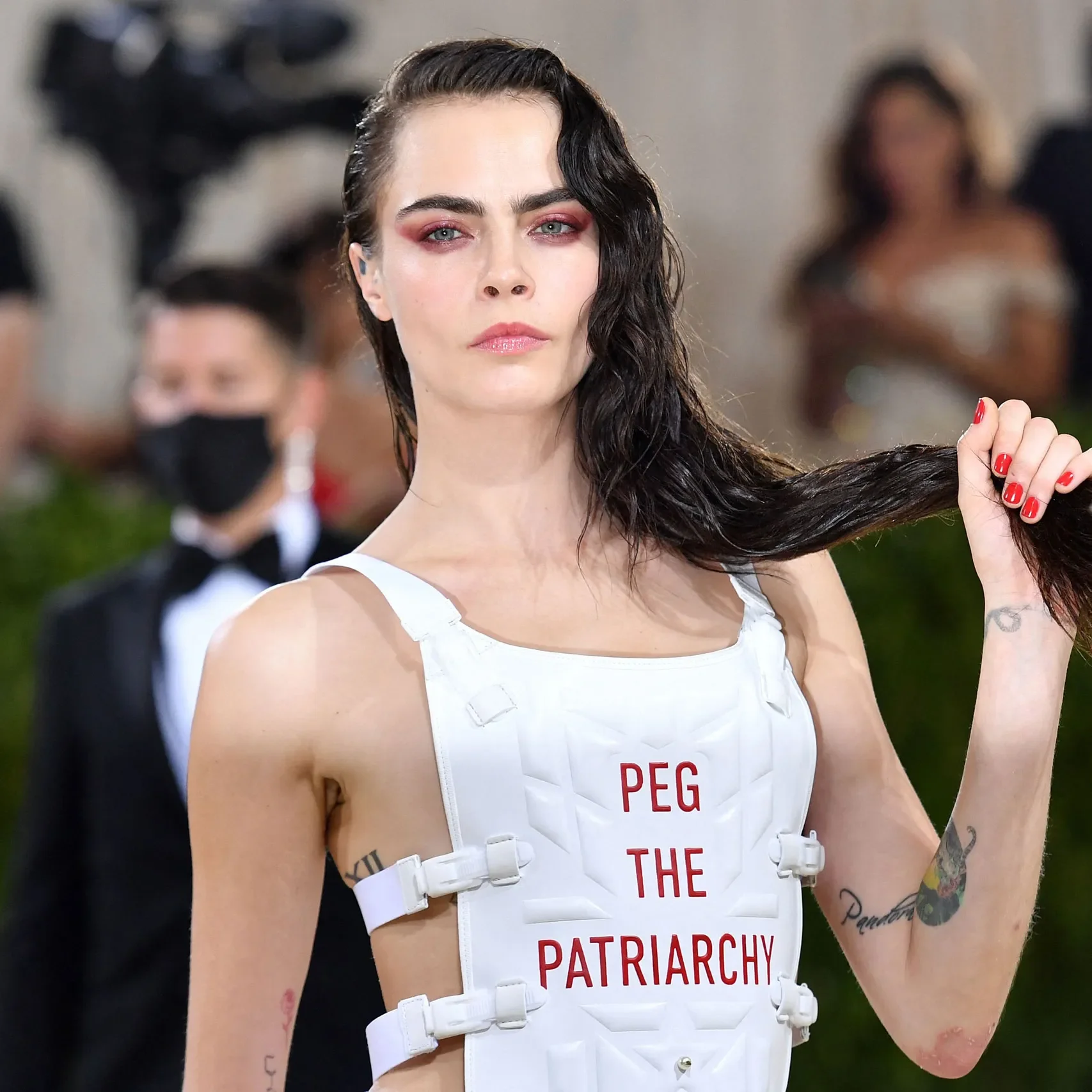
Fashion as Protest and Visibility
Fashion has also been used as direct protest. From slogan tees to color-coded movements, clothing has amplified political messages and unified people visually. What is worn at rallies, hearings, and public appearances often becomes part of historical record.
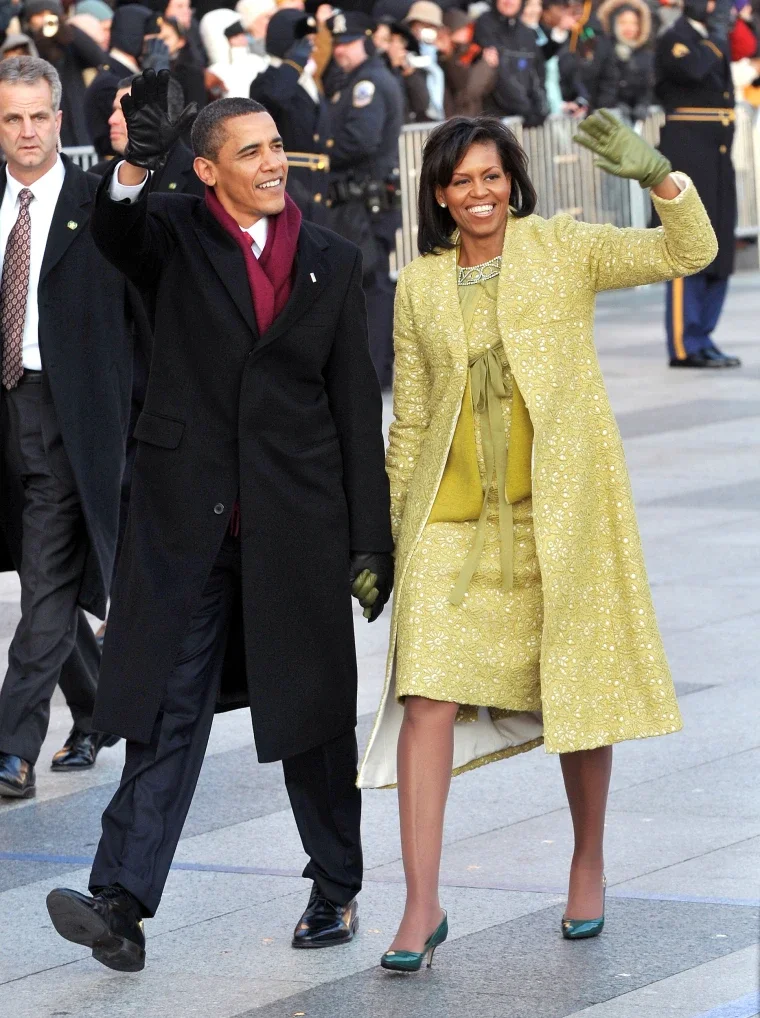
Barack and Michelle Obama
Barack Obama’s wardrobe choices emphasized approachability and restraint. His preference for American designers and consistent silhouettes reinforced stability and relatability, subtly shaping public trust. While Michelle Obama redefined political fashion by blending high fashion with accessible brands. Her style championed American designers, inclusivity, and modern femininity, proving that fashion could be aspirational while still politically conscious.
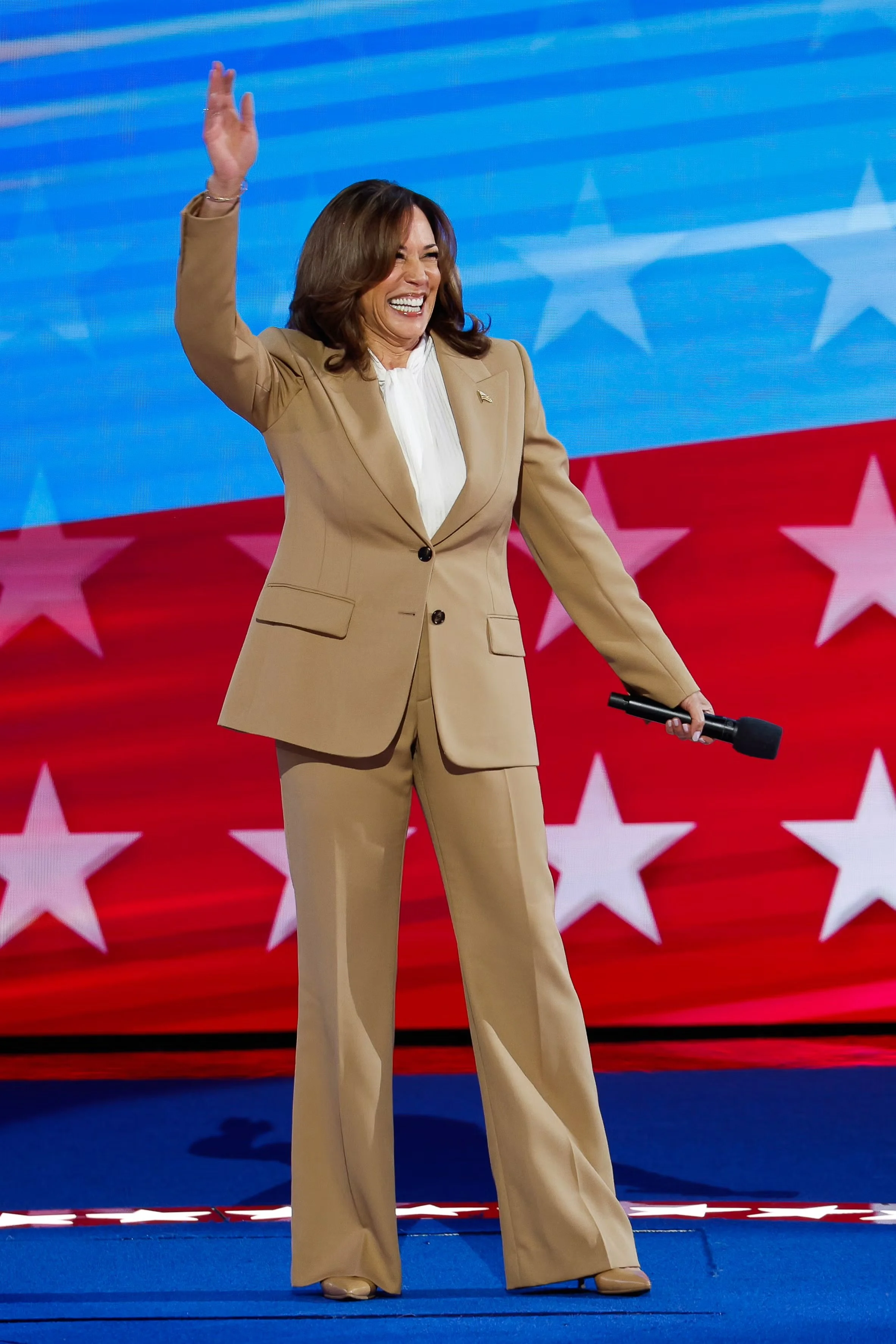
Kamala Harris
Kamala Harris’s use of Converse sneakers, pearls, and tailored suits became instantly symbolic. Her fashion choices balanced professionalism with relatability, reflecting a generational shift in how political leaders present themselves.
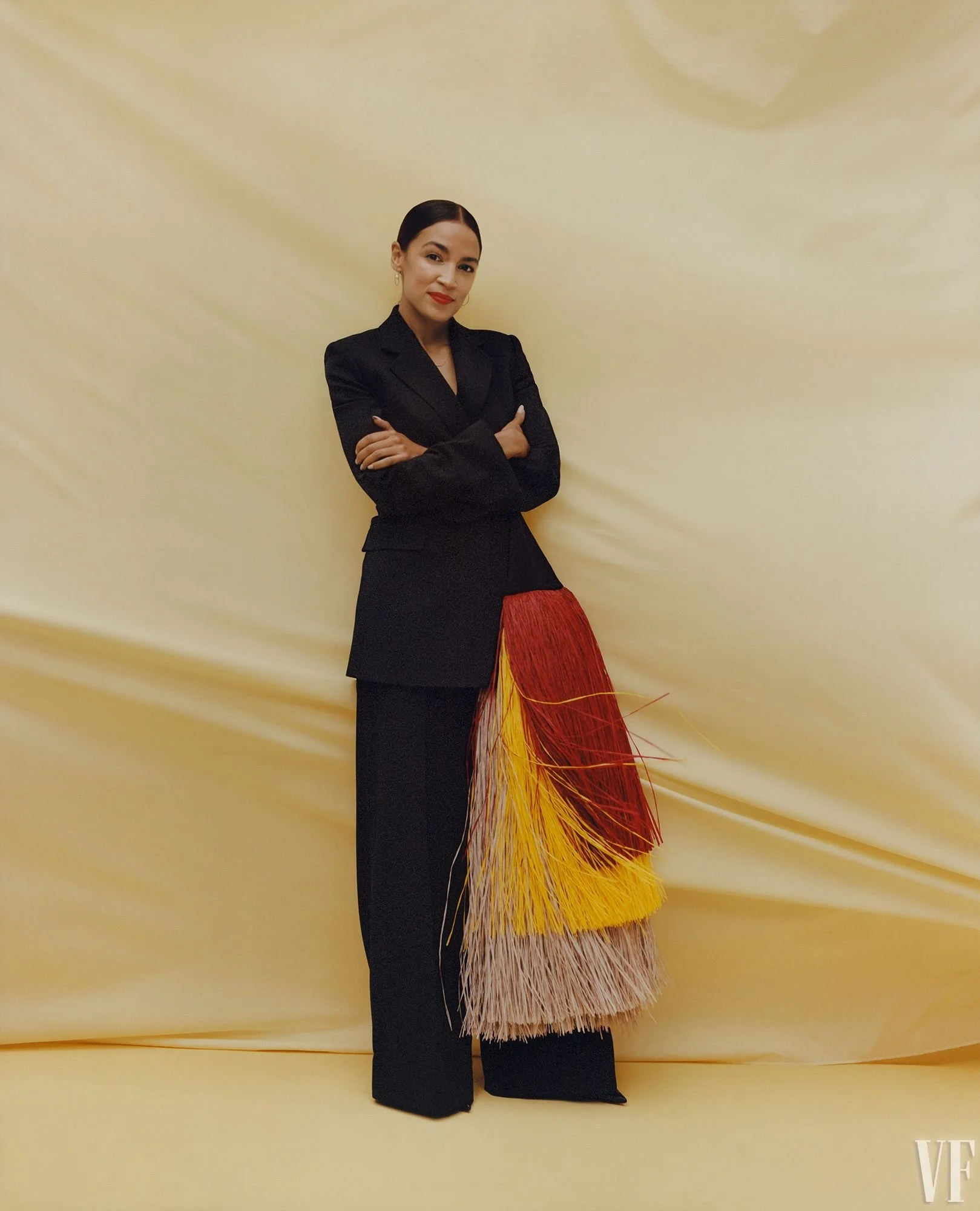
Alexandria Ocasio-Cortez
Alexandria Ocasio-Cortez uses fashion as an extension of activism. Her wardrobe often spotlighting ethical brands and clear messaging which challenges traditional political aesthetics while engaging younger audiences.
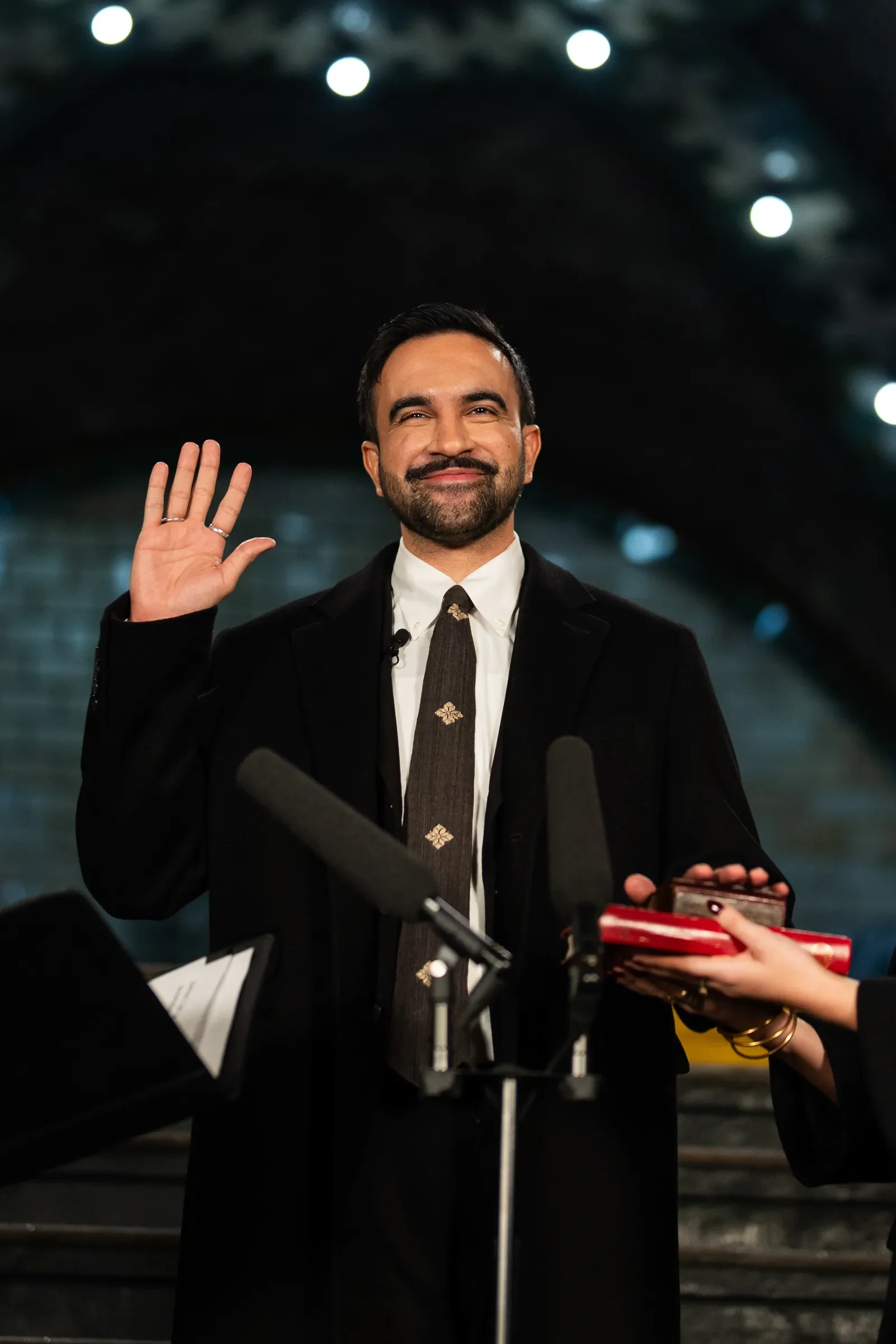
Zohran Mamdani represents a newer, grassroots approach to political fashion. His wardrobe is often simple, practical, and community-oriented. And it rejects traditional power dressing in favor of accessibility and authenticity. His style aligns with his politics, emphasizing connection to constituents over performative authority.